Home
Home
The True Story Behind the Can I Pet That Dog Viral Meme

The internet has a unique way of turning the most mundane household moments into global cultural phenomena. One of the most enduring and endearing examples of this is the "Can I pet that dog?" viral audio. If you have spent any time on TikTok, Instagram Reels, or YouTube Shorts over the past few years, you have undoubtedly heard the enthusiastic, high-pitched, and heavily accented voice of a young boy asking that very question. While it started as a funny family video, it has evolved into a universal shorthand for the irresistible urge to interact with animals—sometimes with hilarious or even dangerous consequences.
Where the Can I Pet That Dog Audio Originally Came From
The origin of this viral sensation is surprisingly wholesome. The audio clip features a young boy with a charming Southern American accent. In the original video, which first surfaced on TikTok, the boy was supposed to be preparing for bed. However, he became completely distracted by the family’s rescue dog, a small Yorkie named Oliver.
The humor of the clip lies in the boy's persistence. He isn't just asking once; he is chanting the phrase with increasing intensity and a rhythmic quality that makes it sound almost like a song. "Can I pet that dawg? Can I pet that dawg? CAN I PET THAT DAWG?" his voice rises in pitch and desperation as his mother tries to keep him on task. The contrast between his tiny frame and his massive enthusiasm, coupled with the classic Yorkie indifference of Oliver, created the perfect storm for a viral hit.
The original creator of the video likely never expected that their son’s pre-bedtime antics would become a permanent fixture of digital culture. Yet, the audio’s relatability—the pure, unadulterated joy that a child feels when they see a pet—struck a chord with millions of viewers worldwide.
Why the World Fell in Love With a Southern Boy and His Yorkie
Digital trends often fade within weeks, but "Can I pet that dog?" has sustained its popularity for years. To understand why, we have to look at the psychology of the meme. At its core, the audio captures a "forbidden fruit" dynamic. The boy knows he should be going to bed, but the presence of the dog is an overwhelming temptation.
The Southern accent plays a significant role in the meme's appeal. The way the boy pronounces "dog" as "dawg" adds a layer of character and authenticity to the audio. It feels genuine, not staged. In an era where much of social media content feels overly curated and polished, this raw, funny moment of family life felt refreshing.
Furthermore, the audio taps into a universal experience. Almost every person who has ever loved an animal knows that feeling of seeing a "good boy" or "good girl" and wanting nothing more than to give them a pat on the head. The meme gave a voice—literally—to that internal monologue we all have when we walk past a cute pup on the sidewalk.
The Meme Evolution From Cute Pets to Dangerous Predators
As the audio spread across social media platforms, creators began to use it in increasingly creative and absurd ways. The "Can I pet that dog?" meme underwent a fascinating evolution, moving far beyond its original context of a little boy and his Yorkie.
One of the most popular sub-genres of this meme involves pairing the audio with videos of animals that are definitely not pet-friendly. You will find thousands of videos where the boy’s enthusiastic "Can I pet that dawg?" plays over footage of:
- Grizzly Bears: Hikers or wildlife photographers often use the sound to highlight the irony of seeing a "cuddly-looking" bear that could easily end a human's life.
- Alligators and Crocodiles: Florida residents have made this a staple of local humor, pairing the audio with footage of gators lounging on golf courses.
- Big Cats: Tigers, lions, and leopards are frequently the subjects of this meme, playing on the "forbidden kitten" trope.
- Statues and Inanimate Objects: Some of the funniest iterations involve people approaching bronze statues of dogs or even oddly shaped rocks and lip-syncing the audio.
This evolution turned the meme into a commentary on human impulsivity and our sometimes-irrational desire to touch wild things. It transitioned from a cute family moment to a comedic tool used to highlight the absurdity of modern nature interactions.
Moving Beyond the Meme Why Asking Permission Is Crucial
While the meme is undeniably funny, it touches on a very real and serious topic: dog safety and etiquette. In our years of observing dog-human interactions in public spaces, we have seen that the "enthusiasm" shown by the boy in the video is often mirrored by adults and children in real life. However, unlike the viral video where the boy was interacting with his own family pet, approaching a stranger's dog requires a much more measured approach.
The phrase "Can I pet that dog?" shouldn't just be an internet catchphrase; it should be the golden rule of public interaction. Asking permission is not just about manners; it is a vital safety protocol. Even the friendliest-looking dog can have "off" days. They might be in pain, they might be protective of their owner, or they might simply be overwhelmed by a busy environment.
When you ask an owner for permission, you are giving them the opportunity to assess their dog's current mental state. They know if their pet is tired, stressed, or reactive to certain types of people. By skipping this step, you are not only being disrespectful to the owner but also potentially putting yourself and the dog in a high-stress situation that could lead to a bite or an aggressive reaction.
How to Read a Dog Body Language Before You Approach
Before you even open your mouth to ask the famous question, you should be performing a visual "safety check." Dogs communicate constantly through their body language, but many humans are "canine illiterate." Based on our extensive experience in animal behavior observation, here are the key signs to look for that tell you whether a dog is actually open to being petted.
Positive Signs (The "Green Light")
- The "Wiggly" Butt: A dog that is relaxed and happy will often wag its tail so hard that its entire rear end wiggles. This is a sign of genuine excitement and comfort.
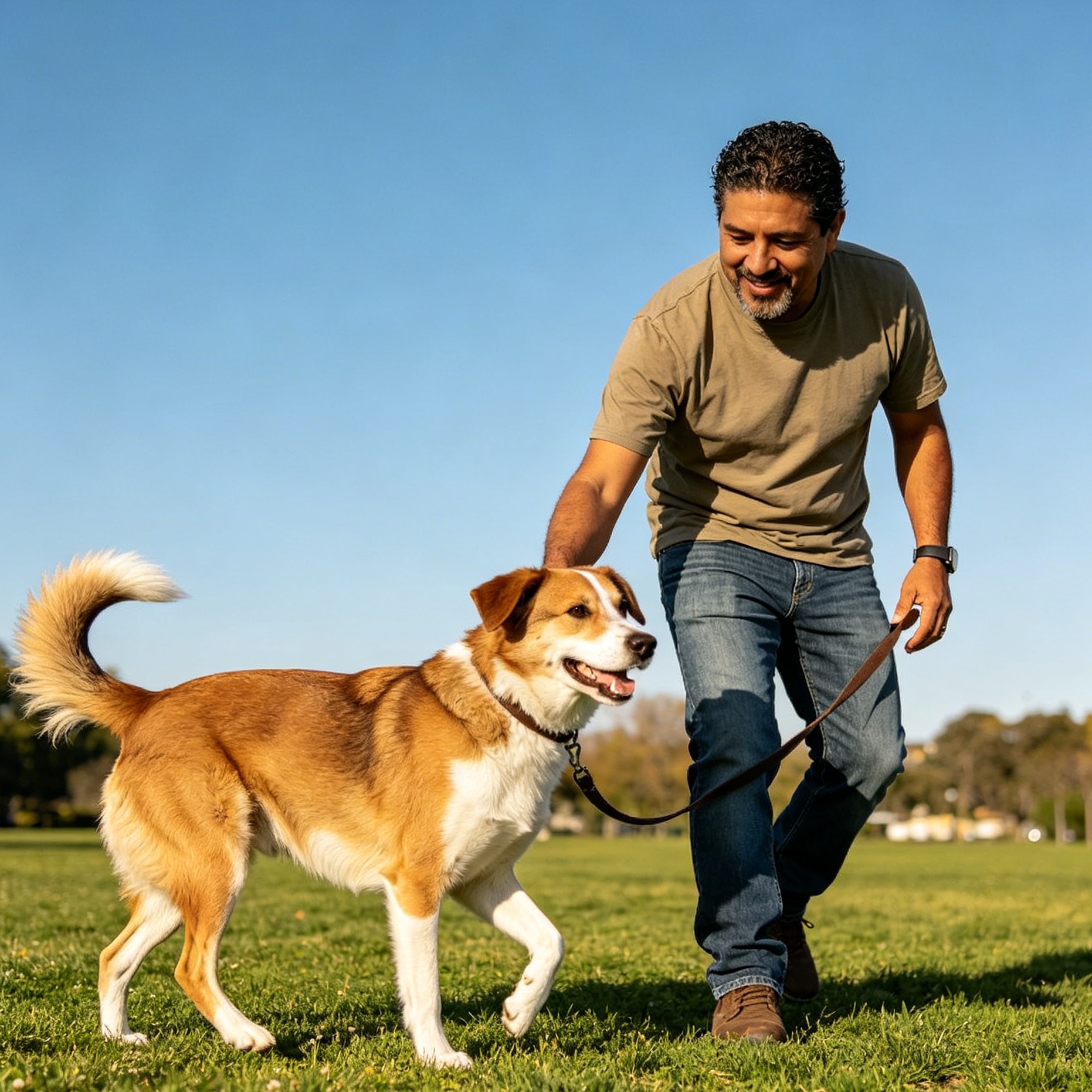
- Relaxed Mouth: A happy dog often has a slightly open mouth, sometimes with the tongue lolloping out, looking almost like a smile.
- Soft Eyes: Look for "almond-shaped" eyes with relaxed lids. If the dog is blinking softly at you, it’s a good sign.
- Self-Initiated Contact: If the dog approaches you first and nudges your hand or leans against your leg, they are likely looking for affection.
Warning Signs (The "Red Light")
- Whale Eye: This occurs when a dog shows the whites of its eyes. It is a classic sign of anxiety or feeling threatened. If you see this, back away immediately.
- Stiff Tail or Body: A tail that is held high and vibrating or a body that is frozen still is a dog that is "on alert." This is not a dog that wants to be touched.
- Lip Licking and Yawning: In the canine world, these are "calming signals." The dog is trying to tell itself (and you) that it is stressed and needs space.
- Tucked Tail: A tail tucked between the legs is a universal sign of fear. Touching a fearful dog is one of the quickest ways to get bitten, as they may feel they have no choice but to defend themselves.
The Professional Protocol for Asking Can I Pet That Dog
If the dog looks relaxed and you’ve decided you’d like to interact, there is a right way and a wrong way to do it. Forget the "southern boy" approach of shouting at the dog. Instead, follow this professional protocol:
- Ask the Human First: Address the owner from a respectful distance (at least 6-10 feet away). A simple, "Hi there, is your dog friendly? May I pet them?" is perfect.
- Wait for a Clear "Yes": Anything other than a definitive "Yes" is a "No." If the owner hesitates, says "He’s a bit shy," or "Maybe not today," thank them politely and move on.
- Let the Dog Come to You: This is the most important step that people miss. Once you have permission, don't lunge at the dog. Stand still, perhaps crouch down slightly to be less intimidating (but don't put your face level with theirs), and let the dog decide to bridge the gap.
- The "Two-Finger" Rule: When you first touch a new dog, avoid reaching over their head, which can be seen as a dominant or threatening gesture. Instead, offer your hand (palm down or a loose fist) for them to sniff. If they stay close, pet them under the chin or on the side of the neck.
- Keep it Short: Give the dog a 3-5 second "test pet," then stop. If the dog leans back in for more, they are enjoying it. If they walk away or look elsewhere, the interaction is over.
Why Some Owners Might Say No and How to React
It can be disappointing when you see a beautiful dog and the owner says you can't pet it, but it is essential not to take this personally. There are dozens of legitimate reasons why an owner might decline your request:
- Service Dogs in Training: These dogs have a job to do. Distracting them with pets can actually put their handler in danger.
- Reactive or Anxious Dogs: Many "rescue" dogs have traumatic pasts. They may be perfectly sweet with their family but terrified of strangers.
- Medical Issues: The dog might be recovering from surgery, have sore joints (common in seniors), or be suffering from a skin condition that makes touch painful.
- Training Sessions: The owner might be in the middle of a focused training session and doesn't want to break the dog's concentration.
- The "Yellow Ribbon" Rule: Some owners tie a yellow ribbon or bandana to their dog's leash. This is an international signal that the dog needs space ("DO NOT PET").
If an owner says no, the only appropriate response is: "No problem! Have a great day." Do not try to convince them by saying "Dogs love me!" or "I’m a dog person." Respecting their boundary is the ultimate sign of a true animal lover.
Teaching Kids the Real Lessons From the Viral Audio
The "Can I pet that dog?" meme is a fantastic teaching tool for parents. While kids find the audio hilarious, parents can use it as a "teachable moment."
Explain to children that while the boy in the video was being funny, in real life, we have to be "Dog Detectives." Teach them to look for the "Wiggly Butt" versus the "Stiff Tail." Practice the "Ask, Wait, and Gently Touch" routine at home. By turning the meme into a lesson, you can help prevent the thousands of dog-bite incidents that involve children each year.
Children are naturally impulsive, just like the boy in the audio. By giving them a structured way to channel that enthusiasm, you ensure that their love for animals remains a positive part of their lives rather than a source of potential injury or trauma.
Summary of Safe Dog Interactions
Interacting with dogs should be a joy, not a risk. The viral meme reminds us of the pure excitement that animals bring into our lives, but real-world safety requires us to balance that excitement with respect and knowledge.
- Always ask the owner before approaching or touching.
- Observe body language for signs of stress or fear before you interact.
- Respect the "No"—it’s never personal, it’s about the dog’s well-being.
- Let the dog choose to interact with you; never force your affection on them.
- Educate others, especially children, on how to be "Dog Detectives."
Frequently Asked Questions
What is the "Can I pet that dog" kid's name? The identity of the young boy in the original viral video has remained relatively private, as the video was shared by his family. He is widely known simply as the "Can I pet that dog kid."
Is the "Can I pet that dog" audio copyrighted? Like most viral TikTok sounds, the original audio belongs to the creator. However, it has been used so extensively across platforms that it is considered a "public domain" sound within the context of social media trends.
Why did the meme become about bears? The humor comes from the extreme contrast. The boy’s voice is innocent and domestic, while a grizzly bear is a 600-pound apex predator. Using the audio with a bear video highlights the "forbidden" nature of wanting to pet dangerous wildlife.
What breed was the dog in the original video? The dog in the original video is a Yorkie (Yorkshire Terrier) named Oliver. His calm and somewhat bored reaction to the boy's shouting is part of what made the video so funny.
Should I pet a dog that is wagging its tail? Not necessarily. A wagging tail simply means a dog is emotionally aroused; it doesn't always mean they are happy. A stiff, fast-wagging tail can be a sign of aggression or agitation. Always look for a relaxed, "wiggly" body to go along with the tail wag.
How do I tell my kids not to pet every dog they see? Teach them the "Ask First" rule as a non-negotiable law. You can also use the analogy of "personal bubbles"—just like humans don't always want strangers hugging them, dogs have bubbles too.
-
Topic: Can I Pet That Dog? Here's What You Need to Know Before You Tryhttps://petspear.com/blog/can-i-pet-that-dog/
-
Topic: Can I Pet That Dog? A Guide to Dog Etiquette and Safety - Depend On Dogshttps://dependondogs.com/behavior-advice/can-i-pet-that-dog-a-guide-to-dog-etiquette-and-safety
-
Topic: Can I Pet That Dog A Fun Guide for Kids and Dog Lovers - GreenRecord.co.ukhttps://greenrecord.blog/can-i-pet-that-dog/