Home
Home
Why the Classic Jean Jacket Remains the Ultimate Wardrobe Essential
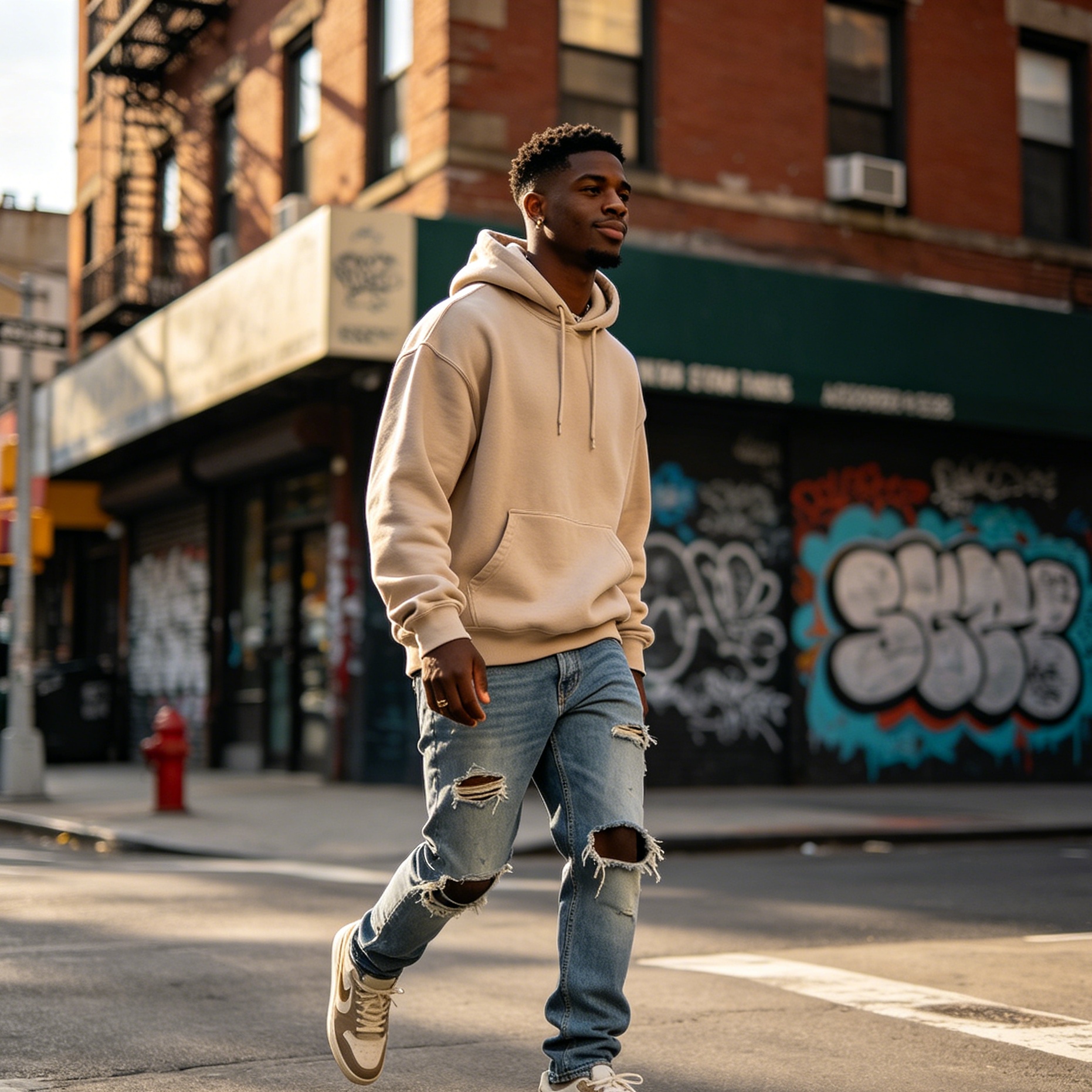
A jean jacket, widely recognized as a denim jacket or a trucker jacket, represents one of the few garments in fashion history that has successfully transitioned from rugged 19th-century workwear to a universal symbol of cool. Known for its exceptional durability, versatility, and structural integrity, the jean jacket is more than just a piece of outerwear; it is a canvas of personal history that improves with age. Whether it is the classic indigo hue of a vintage Levi’s or the distressed finish of a modern designer piece, this garment offers a unique combination of utility and aesthetic appeal that few other items can match.
Defining the Anatomy of a Premium Jean Jacket
To understand why the jean jacket has endured for over 140 years, one must examine its construction. A standard high-quality denim jacket is defined by specific design elements that prioritize both form and function.
The Foundation of Denim Fabric
The primary material is denim, a sturdy cotton twill fabric where the weft passes under two or more warp threads. In premium jackets, the weight of the denim is a critical factor. Lightweight denim (under 10 oz) offers immediate comfort and drape, while heavyweight denim (14 oz and above) provides a "shield-like" feel that requires a breaking-in period but offers unparalleled longevity and the potential for unique fading patterns. Modern variations often incorporate a small percentage of elastane or spandex to provide stretch, catering to contemporary demands for mobility without sacrificing the traditional look.
Hardware and Closures
Unlike most jackets that rely on zippers, the classic jean jacket is defined by its metal rivet buttons, often referred to as "shanks." These are designed to withstand extreme tension, a legacy of the jacket's origins in mining and ranching. A high-quality shank button should feel heavy and produce a distinct metallic "clink" rather than a tinny sound. The presence of copper or brass rivets at stress points, such as the corners of pockets, ensures that the garment will not tear even under heavy use.
The Iconic Point Collar and Stitching
The folded point collar provides a structured frame for the face and allows for layering over hoodies or flannels. However, the most telling sign of quality is the stitching. Traditional jean jackets utilize heavy-duty topstitching, often in a contrasting tobacco or gold-colored thread. Double-needle or triple-needle stitching along the yoke and side seams is a hallmark of superior construction, providing the reinforcement necessary for a lifetime of wear.
The Evolution of the Jean Jacket from Workwear to Icon
The history of the jean jacket is inextricably linked to the American West and the industrial revolution. Its journey began in the late 1800s, driven by the need for clothing that could survive the harshest labor conditions.
The Birth of the Triple Pleat Blouse
In 1880, Levi Strauss introduced the "Triple Pleat Blouse," which is considered the first recorded denim jacket in the United States. It featured three pleats on either side of the center front buttons, designed to be let out for extra room as the wearer moved. This was pure utility—a tool for cowboys and miners.
The Type I and Type II Era
In 1905, the "Type I" jacket (officially the 506XX) set the standard for the early 20th century. It featured a boxy fit, a single chest pocket, and a cinch-back buckle for fit adjustment. By 1953, the design evolved into the "Type II" (507XX), which added a second chest pocket and replaced the back cinch with side adjuster tabs. This era saw the jacket move from the mines to the silver screen, as actors like James Dean began wearing denim to signify a rebellious, youthful spirit.
The Arrival of the Type III Trucker Jacket
In 1962, the "Type III" was introduced, and it remains the blueprint for almost every jean jacket produced today. Designed by Jack Lucier, it introduced the "V" seams on the front, a more tapered and slim silhouette, and welt hand pockets in later iterations. This was the moment the jean jacket became a fashion item. It was no longer just for workers; it was for musicians, protesters, and the counterculture movement of the 1960s and 70s.
Identifying High Quality Experience and Practical Tips
When selecting a jean jacket, the difference between a fast-fashion imitation and a heritage-quality garment is found in the details that are often overlooked by the untrained eye. Based on decades of denim enthusiasts' collective experience, here is how to evaluate a jacket.
The Tell-Tale Signs of Selvedge
Selvedge denim, woven on old-fashioned shuttle looms, is the gold standard for many collectors. You can identify this by looking at the inside of the front placket or the cuff. If you see a clean, finished edge with a woven colored thread (usually red), it is selvedge. This indicates a denser weave and a more traditional manufacturing process that generally leads to better aging.
Understanding the Wash and Fade
The "wash" refers to the treatment the denim received after being dyed.
- Raw/Dry Denim: This is unwashed and stiff. The "experience" of raw denim is personal; the jacket will crease and fade exactly where your body moves, creating a "second skin" effect. It requires patience but results in the most authentic look.
- Stone Washed: This uses pumice stones to abrade the fabric, resulting in a softer feel and a lighter color from day one.
- Distressed: This involves manual or laser-guided ripping and fraying. While convenient, pre-distressed denim often has a shorter lifespan because the fibers have already been weakened.
The Sound and Feel of the Buttons
A premium jacket will have buttons that are securely attached and do not rattle excessively. If the button feels like it is made of thin, hollow plastic or lightweight aluminum, the rest of the construction likely follows that lower standard. Solid brass or steel shanks are indicators of a manufacturer that values durability.
How to Style a Jean Jacket for Every Occasion
The versatility of the jean jacket is its greatest strength. It can act as a lightweight summer layer or a rugged mid-layer in the depth of winter.
The Casual Weekend Look
For a timeless aesthetic, pair a medium-wash trucker jacket with a plain white cotton t-shirt and khaki chinos. This provides a clean contrast between the ruggedness of the denim and the smoothness of the trousers. Avoid wearing jeans of the exact same wash unless you are intentionally aiming for the "Canadian Tuxedo" (double denim) look.
Elevating Denim for Semi-Formal Settings
It is possible to wear a jean jacket in a more sophisticated environment. Choose a dark indigo or black denim jacket with tonal stitching (where the thread matches the fabric color). This creates a more streamlined, blazer-like appearance. Pair it with a crisp button-down shirt, a knit tie, and dark grey wool trousers. The contrast between the formal elements and the casual jacket creates a modern, stylish tension.
Layering for Extreme Weather
In colder months, the jean jacket becomes an excellent insulator. Use a slim-fitting jacket as a middle layer underneath a heavy wool overcoat or a parka. This adds an extra windproof barrier and allows you to remove the heavy coat indoors while still having a stylish layer. Alternatively, a sherpa-lined denim jacket offers built-in warmth and a vintage "rugged outdoorsman" vibe that pairs perfectly with boots and corduroy pants.
Diverse Fits for Different Body Types
The modern market has expanded beyond the boxy "worker" fit, ensuring there is a silhouette for everyone.
The Oversized and Slouchy Fit
Inspired by 90s streetwear, the oversized fit features dropped shoulders and a longer hem. This is ideal for a relaxed, urban look and allows for heavy layering, such as wearing a thick hoodie underneath. It is particularly flattering for those with a taller or broader frame who want to avoid a "shrunken" appearance.
The Tailored or Slim Fit
This version hugs the torso and has higher armholes. It is the best choice for those who want to use the jacket as a substitute for a casual blazer. It creates a sharp, clean line and is often the preferred fit for individuals with a leaner build.
The Cropped Silhouette
Often found in women’s fashion but increasingly popular in unisex avant-garde styles, the cropped jacket hits at the natural waist or slightly above. This is excellent for elongating the legs when paired with high-waisted trousers or for layering over long dresses to maintain a balanced proportion.
The Cultural Significance of Denim Outerwear
The jean jacket is more than a garment; it is a cultural shorthand. In cinema, it has been used to identify the outsider (James Dean in Rebel Without a Cause), the hero (the archetypal cowboy), and the rebel. In the 1970s, it became the uniform of the punk and heavy metal scenes, often customized with patches, studs, and band logos. This tradition of customization continues today, where the denim jacket serves as a platform for self-expression.
Furthermore, the "Canadian Tuxedo"—wearing denim on both the top and bottom—has shifted from a fashion faux pas to a high-fashion statement. While it was famously mocked after Bing Crosby was denied entry to a hotel in 1951 for wearing it, modern style icons have reclaimed the look, proving that with the right confidence and slight variations in wash, double denim is a powerful style move.
Caring for Your Jean Jacket to Ensure Longevity
One of the most sustainable aspects of a jean jacket is that it rarely needs to be replaced if cared for correctly. Unlike synthetic fabrics, denim benefits from infrequent washing.
The No-Wash Philosophy
Many denim purists suggest washing a jacket only once every six months, or even less. This prevents the indigo dye from fading too quickly and allows the fabric to maintain its structural stiffness. For minor stains, spot cleaning with a damp cloth and mild soap is usually sufficient. To remove odors without washing, hanging the jacket in a well-ventilated area or in a bathroom during a hot shower (the steam helps) can be effective.
Washing and Drying Best Practices
When a full wash is necessary, follow these steps:
- Turn the jacket inside out: This protects the outer dye and the metal buttons from hitting the washing machine drum.
- Use cold water: Hot water can shrink the cotton fibers and cause excessive dye loss.
- Use a gentle detergent: Avoid bleach or harsh chemicals.
- Air dry only: Never put a denim jacket in the dryer. The high heat can damage the elastane (if present) and cause unnatural shrinkage. Hang it to air dry, ideally away from direct sunlight which can bleach the fabric.
Conclusion
The jean jacket is a rare example of a perfect design. Its evolution from the functional Triple Pleat Blouse to the iconic Type III Trucker Jacket reflects the changing needs of society, yet its core essence remains untouched. It offers durability that outlasts trends, versatility that fits almost any social setting, and a unique aging process that makes every jacket a reflection of its owner’s life. By understanding the anatomy, history, and proper care of this garment, one can transform a simple purchase into a lifelong companion. Whether you are looking for your first raw denim piece or adding a distressed variant to your collection, the jean jacket remains the undisputed king of casual outerwear.
Frequently Asked Questions
What is the difference between a jean jacket and a trucker jacket?
In modern fashion, the terms are often used interchangeably. However, "trucker jacket" specifically refers to the Type III design introduced in the 1960s, characterized by the pointed pocket flaps and V-shaped seams on the front. A "jean jacket" is a broader term that encompasses all denim jackets, including earlier boxier styles like Type I and Type II.
Should a jean jacket be tight or loose?
The fit depends on your intended use. If you plan to wear it over just a t-shirt for a sharp look, a slim fit that allows you to button the jacket comfortably (but snugly) is ideal. If you want to layer it over sweaters or hoodies, an oversized or classic boxy fit is better. Generally, the shoulder seams should sit at the edge of your natural shoulder.
Can you wear a denim jacket with jeans?
Yes, this is known as "double denim." The key to making it work is contrast. Try wearing a dark indigo jacket with lighter blue jeans, or a black denim jacket with blue jeans. If the washes are too similar, it can look like a uniform unless you have the styling confidence to pull off the full "Canadian Tuxedo" look.
Does denim shrink in the wash?
Standard "pre-shrunk" or "sanforized" denim will experience minimal shrinkage (about 1-3%). However, "unsanforized" or "shrink-to-fit" denim can shrink up to 10% after the first soak or wash. Always check the garment tag to see if the fabric has been pre-shrunk.
Is a jean jacket suitable for winter?
A standard denim jacket is not enough for freezing temperatures on its own. However, it is an excellent layering piece. You can opt for a version with a sherpa or quilted lining for added warmth, or wear a classic jacket under a larger overcoat as a wind-blocking mid-layer.
-
Topic: Jean jacket - Wikipediahttps://en.wikipedia.org/wiki/Jeans_Jackets
-
Topic: 18 Jean Jacket Outfits You Haven't Tried Yethttps://www.instyle.com/how-to-wear-denim-jacket-5366234
-
Topic: Shop OEM Fashion Jean Jackets - Custom & Stylish Designshttps://www.alibaba.com/showroom/fashion-jean-jacket.html